
As an Amazon Associate, we earn from qualifying purchases with no additional costs for you.
Birds can be migratory, nomadic, or non-migratory. Migratory species fly to a new area when conditions change and become adverse. Nomadic species may move from place-to-place within a country, while migratory species often move between countries and even continents. You may be curious as to which species of birds do not migrate, and are resident.
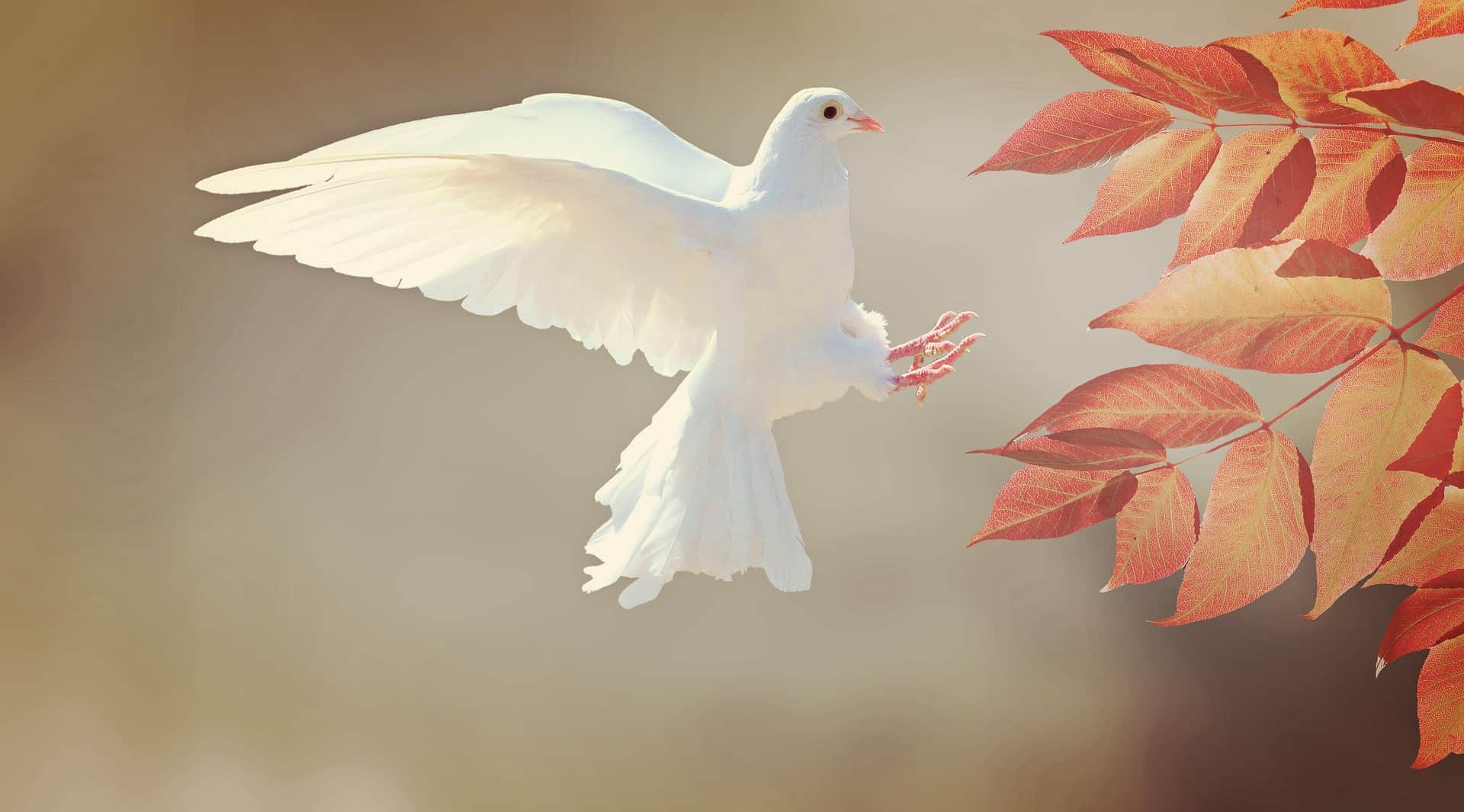
Birds like the doves, pigeons, chickadees, nuthatches, titmice, and cardinals do not migrate. Neither do the jays. These birds are able to survive in their habitat because they don’t rely as heavily on invertebrate prey as some other bird species do.
Read below to find out more information about these species and how these birds can survive adverse conditions without needing to migrate.
TIP: If you want to check out the best pair of binoculars for bird watching, we recommend a pair of waterproof and fog-proof 8 x 42 binoculars like the Celestron – Outland X 8×42 Binoculars (Amazon link).
What kind of birds do not migrate?
It is often the species that are seed-eaters or berry-eaters that tend to be resident and not migratory. This is because it is easier to find these foods in fall and winter than it is to locate invertebrate prey. Insects and other inverts like spiders are scare when temperatures drop; they often become dormant or die off in the colder months of the year. These birds are also able to cope with the wintery conditions of their distribution range.
Seed-eating species like pigeons and doves are widespread across North America. The Mourning Dove is an abundant species that can be found throughout the country, extending as far north as the southern parts of Canada.
TIP: Knowing how to spot the birds in your yard is key to enjoying visits from your winged friends as much as possible! The best sources are trusted books, I recommend using the following (Amazon links):
– National Geographic Field Guide to the Birds of North America
– National Audubon Society Birds of North America
Mourning Dove

Mourning Doves, similar to many of the Columbiformes, are granivorous, meaning that they feed on the seeds of wild grasses and weeds. They will also eat berries and other fruits, and will feed on invertebrates and insects at times. They are more apt to look for and find inverts and insects when they have chicks in the nest. This is because the baby birds need lots of protein to grow.
The Mourning Dove is an adaptable species, occurring in habitats ranging from open fields, agricultural lands, to wooded edges, and suburbia. Doves have adapted well to suburban areas and will readily visit feeders for seed.
TIP: Choosing the right bird feeder is crucial when you want to attract birds on your backyard. There are a lot of options on how and where to place a bird feeder. Check out my picks on different bird feeders below (Amazon links):
– Free-standing Bird Feeder
– Hanging Bird Feeder
– Bird Feeder with Camera
Blue Jay

The Blue Jay is in the crow family, Corvidae, which means they are smart birds that adapt well to changing conditions. They survive in wooded areas, in gardens with trees, and in spruce-fir woods. The birds are active and can be observed feeding on berries in winter. Blue Jays are even actively seen flying around and foraging in the snow.
They are able to survive adverse weather and, like the doves, will also feed on invertebrates and insects when available. They do also eat nuts and seeds, which they are smart enough to store. By making a cache of food, they are able to cope when conditions turn cold in winter.
Carolina Chickadee

This small bird is an insect-eater but it is not migratory. The only time there may be some movement of individuals away from an area is if there are too many juveniles. The young birds often need to move and seek new territories as an area becomes too crowded and competition increases. The Carolina Chickadee, like other species of chickadee, is able to survive cold winter nights by sheltering in tree cavities and crevices. The bird also puffs its feathers up to help retain heat in colder conditions.
Chickadees do not solely rely on insects for food. They are also happy to feed on seeds and berries, which they may switch to in winter when insects are scarce. Chickadees are particularly fond of the sunflower seeds people put out in bird feeders.
Tufted Titmouse
This little passerine is similar to the chickadee in that it does also eat insects. It has also been known to feast on small invertebrates like snails. The Tufted Titmouse will eat berries and seeds, allowing it to still find food when the usual prey animals are not around during the cold winter days.
These little birds will roost inside natural cavities or nestboxes, similar to what the chickadees do. This provides them with good protection against the elements, allowing them to survive when temperatures drop. Titmice will also often forage in mixed flocks that include chickadees and small woodpeckers.
Northern Cardinal

The Northern Cardinal is primarily a seed-eater, and has the beak to cope with even large seeds. They do also feed on insects or invertebrates if they are nesting and need to feed chicks. Cardinals will also visit seed feeders. You can find the Northern Cardinal in wetlands, woodlands, and suburban gardens.
The cardinals are able to eat a lot before winter and build up their reserves. This stored energy is one way that cardinals can survive cold winter conditions. The birds also fluff up their feathers to trap a layer of air close to the body. This helps provide some insulation for the birds when temperatures drop.
Woodpeckers

Most of the woodpecker species in North America do not migrate. An exception is the Yellow-bellied Sapsucker, which move further south to the southern United States in winter. Downy Woodpeckers in the more southern states do not migrate but those further north do if food becomes scarce.
TOP TIP: Have you ever wondered if birds sleep while migrating? This fascinating article answers this question and more! And, find out here if keeping wild birds is a good idea!
Pileated Woodpeckers are permanent residents across their range. They are territorial birds that can cope with the seasonal changes that happen, and so they do not migrate. These birds may even occasionally visit a bird feeder in winter. They are less likely, though, to visit bird feeders compared with the other smaller woodpeckers. However, Pileated Woodpeckers may occur in gardens with many trees and they readily occur in wooded areas.
TIP: Bird feeders and baths are great for attracting birds to your backyard. But what about bird houses? They will help you not only track but also keep them in your yard! Check out my picks on different bird houses below (Amazon links):
– Cedar Viewing House
– Wood Bird House with Pole
– Hanging Bird House
Conclusion
There are some birds that can survive winter and do not need to migrate when conditions deteriorate. These birds include the Blue Jay, Mourning Dove, Northern Cardinal, Tufted Titmouse, and Carolina Chickadee. Doves and pigeons also remain resident across their ranges, even when temperatures drop. The Pileated Woodpecker is also a species that does not migrate, while some of the other woodpeckers may move further south if conditions worsen in the northern states.
There are a few rules or guidelines you should abide by as an ethical birder. These are listed below.
- Do not enter private lands without prior permission from landowners.
- Follow all the rules in refuges and reserves, including cleaning up any garbage from your campsite.
- Do not disturb birds on nests.
- Do not use apps and play songs to call up birds when they are hungry, tired, and breeding during spring and summer.